
Care · 28th April 2026
Maintaining Your Shutters' Appearance: Tips and Tricks
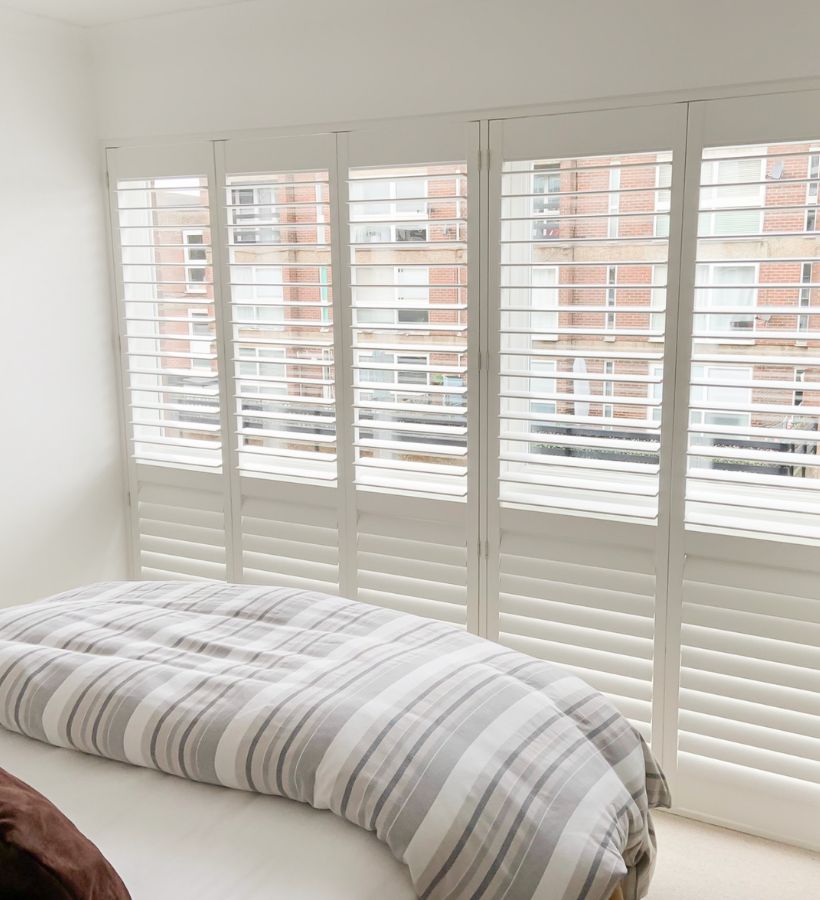
Five minutes a week and an occasional check on the hinges is genuinely all it takes to keep shutters looking like the day they went in.
When installed, shutters are essentially forgotten about. However, just as everything else in your house requires some upkeep to maintain its appearance and longevity, shutters require some upkeep as well. Thankfully, maintaining your shutters is incredibly simple and requires no specialist tools or expensive chemicals.
Weekly dusting: The most crucial maintenance task involves keeping the shutters dust-free, and it should take no more than five minutes per week. Take a feather duster or microfibre cloth, move all louvres in one direction and dust in a downwards motion along the surface. Repeat with the louvres in the opposite position. Weekly dusting will prevent the build-up of dirt and dust.
Cleaning marks and stains: Marks can be cleaned with a damp cloth. Avoid bleach and harsh detergents since they can harm the integrity of the finish. It is perfectly acceptable to use mildly soapy water for tough stains, but make sure the cloth is damp rather than sopping wet, and that the treated area is dried immediately.
Avoiding water damage on wooden shutters: Never use water on real wood shutters. Repeated absorption causes significant damage and distortion. Only dry cloths are appropriate for wooden shutters. Faux wood shutters are water resistant, but if you are unsure, it is better to err on the side of caution.
Be gentle with the louvres: Moving the louvres back and forth will guarantee their long-term operation. Tilt them softly, as excessive movement can cause wear over time. If a louvre seems to be moving oddly or appears loose, notify your supplier immediately to avoid future issues.
Checking hinges regularly: It is sufficient to inspect the hinges for tightness once every three months. After a while, they might become loose due to constant usage. Tightening the hinge with a screwdriver will typically suffice, and it takes about two minutes.
Monitoring sun exposure: South and west-facing windows receive the most sunlight during the day, and painted pigments can degrade under UV. Closing or tilting the louvres at least halfway helps lessen the effects of the sun.
Ventilation is your friend: In kitchens and bathrooms, air circulation is crucial for keeping mould at bay. Mould thrives in steam without a way out, so make sure your extractor fan is working properly and keep a window open wherever possible. If you spot the beginnings of any mould, wiping with a damp cloth and a little gentle dish soap should stop it becoming an issue.
A word about wood movement: Wood moves and changes throughout the year with temperature and humidity, so seasonal movement is completely expected. If you notice excessive sticking or bending of panels, keeping the room well ventilated during the summer months usually solves it right away.